
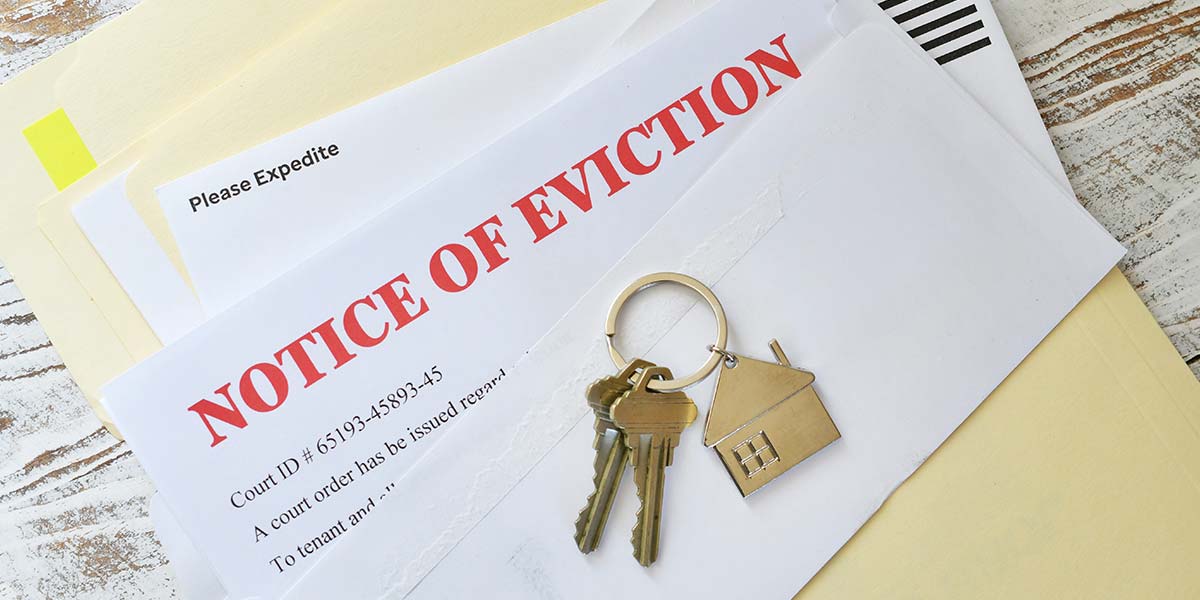
Eviction Process in Palm Beach County
The complete Palm Beach County eviction process for residential rental properties — from the Three-Day Notice through the writ of possession, with Florida statutory requirements at each step.
Overview: The Palm Beach County Eviction Process
Residential eviction in Palm Beach County is governed by Florida Statute 83.56 and the Florida Rules of Civil Procedure. The process follows a specific statutory sequence that, when executed correctly, produces a writ of possession for an uncontested case in approximately 3-5 weeks. Deviations from the statutory procedure at any step — a defective notice, an improper service method, an incorrect court filing — can delay the process by weeks or restart it from the beginning.
Step 1: The Three-Day Notice to Pay or Quit
The eviction process for non-payment of rent begins with a statutory Three-Day Notice to Pay or Quit served pursuant to Florida Statute 83.56. The notice must: (1) specify only the rent amount due (late fees, utility charges, and other non-rent amounts must not be included in the demand amount, as this renders the notice defective); (2) be delivered by a legally acceptable method (personal service, posting on the door in a conspicuous place with mailing, or certified mail); and (3) allow the correct 3-day counting period (days counted beginning the day after service, excluding weekends and legal holidays).
A defective Three-Day Notice — wrong form, wrong amount, wrong delivery method, wrong count — is a ground for the tenant to contest the eviction. The court will dismiss the case, requiring the landlord to re-serve a correct notice and restart the 3-day period. This typically adds 2-3 weeks to the eviction timeline. Atlis uses statute-compliant notice forms and documented delivery methods for every Three-Day Notice served in our portfolio.
Step 2: The Eviction Complaint Filing
If the tenant does not pay or vacate within the 3-day period (excluding weekends and legal holidays), the landlord may file an eviction complaint with the Palm Beach County Circuit Court (or County Court for claims under $30,000). The complaint must: identify the parties and the property; state the grounds for eviction; attach a copy of the lease and the Three-Day Notice; and be accompanied by the applicable filing fee.
For Palm Beach County residential eviction complaints, the filing fee is approximately $185-$200. After filing, the court clerk issues a Summons that must be served on the tenant by the Palm Beach County Sheriff or a licensed process server. Service is typically completed within 5-7 business days of filing.
Step 3: Tenant's 5-Day Response Window
After service of the Summons and Complaint, the tenant has 5 business days to file a written response (Answer) with the court. If the tenant files an Answer, the case becomes contested and will be scheduled for a hearing. If the tenant does not file an Answer within 5 business days, the landlord may file a Motion for Default and Default Judgment against the tenant.
Step 4: Default Judgment or Contested Hearing
For an uncontested case (tenant did not respond): the landlord files a Motion for Default; the court clerk enters a Default; the landlord files a Motion for Default Final Judgment; and the court enters a Final Judgment for Possession. This step typically takes 3-7 business days. For a contested case: a hearing is scheduled, typically 2-4 weeks out; the landlord presents evidence of the grounds for eviction; and the court rules.
Step 5: Writ of Possession
After a Final Judgment for Possession is entered, the landlord requests the court clerk to issue a Writ of Possession. The Writ is delivered to the Palm Beach County Sheriff's Office, which serves the Writ on the tenant and posts a 24-hour notice on the property. After 24 hours, the Sheriff can assist the landlord in removing the tenant if the tenant has not vacated. Total timeline from Final Judgment to Sheriff-enforced possession: approximately 5-10 days.
The Palm Beach County eviction step that produces the most landlord frustration is the contested hearing — specifically, the hearing scheduled 3-4 weeks after the tenant's response was filed. Landlords who expected an uncontested, 3-week process discover that a single tenant response (which can be filed on any ground, valid or not) extends the timeline by 3-5 additional weeks. The financially rational response to a contested eviction is to accept the additional timeline as a cost of the process and to ensure the evidence and documentation at the hearing are complete and compelling. The emotionally understandable but legally unproductive response is to negotiate with the tenant in ways that may compromise the eviction record.
Palm Beach County Eviction Process Mistakes
The Three-Day Notice must specify only the past-due rent amount. Including late fees, utility charges, or other non-rent amounts renders the notice defective and will result in dismissal if contested. Collect these separately.
Florida courts have consistently held that text message and email are not acceptable delivery methods for the Three-Day Notice. Always use personal service, posting with mailing, or certified mail.
The eviction complaint must attach a copy of the Three-Day Notice. The service method and date must be documented. Keep a complete file of every notice served including the method, date, and any witness or server records.
Palm Beach County Eviction Questions
Get a Custom Quote for Your Palm Beach County Rental Property
No pressure, no obligation. Jean Taveras will walk you through exactly what Atlis management would cost and return for your specific property.
Call 561.473.3664Email info@atlispm.com